Understanding the Range of Electrical Service Offerings for Residential and Commercial Spaces
The landscape of electrical services is diverse, catering to both residential and commercial needs. Each sector presents unique challenges and requirements. Residential services often focus on installations and repairs, while commercial solutions involve more complex systems. Understanding these distinctions is crucial for ensuring safety and efficiency. in-depth article However, the implications of choosing the right service extend beyond immediate needs. What factors should one consider when evaluating these offerings?
Residential Electrical Services
Residential electrical services encompass a broad range of solutions designed to meet the needs of homeowners. These services include installations, repairs, and maintenance of electrical systems within residential properties. Common tasks performed by electricians involve wiring upgrades, circuit installations, and lighting enhancements, guaranteeing safety and efficiency in homes.
Additionally, electricians are often called upon to troubleshoot and repair electrical issues such as faulty outlets, flickering lights, and circuit breaker problems. They also provide essential services like the installation of ceiling fans, smoke detectors, and home security systems.
Energy efficiency is another focus of residential electrical services, with professionals offering solutions like LED lighting and smart home technology integration. Homeowners can benefit from routine electrical inspections, which help identify potential hazards and guarantee compliance with local codes. Overall, residential electrical services play a significant role in maintaining safe, functional, and modern living environments.
Commercial Electrical Services
When businesses require electrical solutions, they turn to commercial electrical services, which are tailored specifically to meet the demands of commercial properties. These services encompass a wide array of offerings such as electrical system installations, upgrades, and configurations designed for efficiency and compliance with safety regulations.
Commercial electrical services also include specialized lighting solutions that enhance visibility and energy efficiency, as well as the installation of power distribution systems to support various equipment and machinery. In addition, these offerings typically include the use of cutting-edge technology, such as intelligent controls and power monitoring, to maximize energy efficiency.
Beyond basic installation work, commercial electrical services guarantee that systems are capable of handling future growth or changes, offering sustained utility. Skilled technicians are trained to manage the intricacy of extensive power networks, maintaining dependability and safety for the company's functioning.
Routine Maintenance and Repairs
Scheduled maintenance and necessary repairs form essential parts of electrical service packages that guarantee the longevity and reliability of electrical networks within commercial facilities. Periodic checks assist in finding problems before they develop into costly problems. Electricians routinely inspect wiring, circuit breakers, and outlets looking for damage or excessive wear, guaranteeing security and adherence to codes
Routine servicing also helps improve energy efficiency, cutting down on running expenses for companies. This proactive approach minimizes downtime, helping businesses sustain high production levels while making sure the electrical infrastructure works properly
Moreover, timely repairs are essential for lessening the hazards stemming from electrical faults, like equipment breakdown or fire risks. When issues are handled without delay, businesses can avoid significant disruptions and maintain a safe working environment (Downers Grove Electrician). In summary, allocating resources to regular upkeep and fixes both protects the reliability of the electrical infrastructure and improves the general running efficiency of commercial properties
Power System Setup
Power system setups serve as the foundation of any commercial facility, delivering necessary electricity and connection for functioning. These installations encompass a range of components, such as circuit panels, wiring, lighting, and receptacles, each tailored to fulfill the unique requirements of the company. The process begins with careful planning and design, to make sure it meets all local laws and regulations. Qualified professionals perform the installation to ensure dependability and security, lessening the chance of power-related risks.
Beyond typical cabling, companies might need specialized infrastructure for example, three-phase electricity for industrial tools or network wiring for data transmission. Appropriate electrical work boosts not only efficiency but also add to the general security of the location. Routine inspections and adherence to maintenance protocols are critical in ensuring that these installations remain functional and up to code. In the end, proper power setups are necessary to meeting the varied demands of commercial ventures.
Upgrading for Energy Efficiency
Energy efficiency upgrades provide substantial benefits, such as lower utility bills and a smaller carbon footprint. Standard enhancements available cover light-emitting diode systems, high-efficiency HVAC systems, and modern thermal barrier methods. By investigating these improvements, those who own the property can gain both monetary benefits and environmental benefits.
The Upside of Energy Savings
Many benefits are associated with the implementation of energy efficiency upgrades, making them a wise investment for both homes and businesses. Primarily, these improvements significantly lower power usage, leading to lower utility bills and increased savings over time. Additionally, greater energy performance improves well-being through ensuring steady climate control and minimizing air leaks. Real estate with energy-saving installations typically gain higher property valuations, attracting eco-aware purchasers. Furthermore, many regions offer incentives, subsidies, or fiscal benefits for energy-efficient improvements, helping to reduce the upfront expense. Ultimately, adopting energy-efficient practices contributes to a decrease in greenhouse gas emissions, fostering long-term viability and aiding the planet. Overall, energy-saving modifications result in both economic and ecological benefits, making them a sensible decision for property owners.
Available Enhancement Options
When considering energy efficiency upgrades, real estate holders possess several avenues that can greatly enhance performance and reduce costs. One common upgrade is the installation of energy-efficient lighting, for example, LED bulbs, that require minimal energy and have a longer lifespan. Alternatively, enhancing insulation in the building's shell, thereby decreasing energy escape and lowers climate control costs. Smart thermostats can also provide considerable cost reductions by adjusting climate settings optimally based on occupancy patterns. Furthermore, advanced climate control units enhance the purity of the air and energy consumption. Photovoltaic arrays require a larger commitment, letting real estate utilize green electricity. Through the installation of these modifications, property owners can realize significant lasting financial benefits and aid in environmental sustainability.
Critical Electrical Support
What steps should property owners follow in the event of a sudden electrical failure? To begin, they should ensure their well-being by disconnecting the main power supply provided it is safe. Afterward, they should evacuate the premises and call emergency services in case of fire, smoke, or any critical threat. In situations that are not life-threatening, calling a certified electrical professional who offers immediate repair services is important. These professionals are able to resolve issues such as power outages, electrical surges, or broken devices promptly.
Rapid electrical response are set up to deliver fast support, frequently offered around the clock, ensuring that homeowners can recover normal use in their electrical systems quickly. It is important for homeowners to build a connection with a trusted electrician beforehand, as this can expedite response times during an emergency. Being prepared and informed of available services can lessen dangers and boost protection during electrical crises.
Frequently Asked Questions
What Requirements Should I Prioritize in an Electrician?
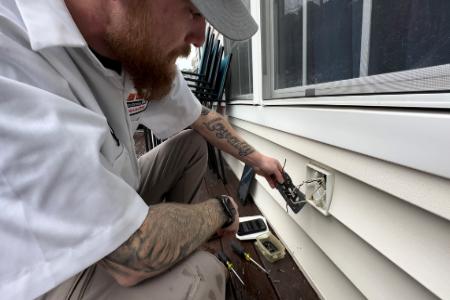
When seeking an electrician, one should look for requirements such as a current license, relevant certifications, extensive experience, insurance coverage, and good client feedback. These factors guarantee professionalism, safety, and reliability in electrical work.
When Is It Necessary to Arrange Electrical Inspections for My Property?
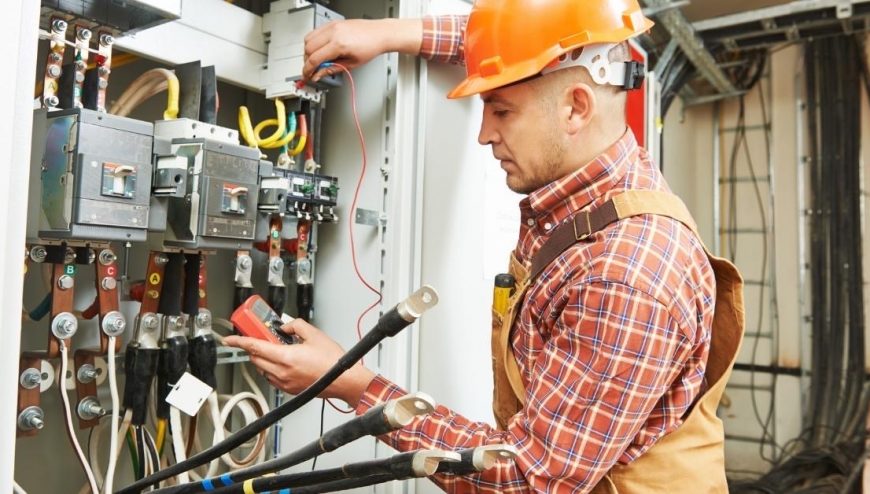
Electrical inspections should be scheduled every 3 to 5 years for residential properties, but commercial buildings may require annual assessments. This ensures adherence with safety standards, identification of possible dangers, and maintenance of electrical systems.
What Are the Signs of Faulty Electrical Wiring?
Indicators of defective wiring include frequent tripped circuit breakers, flickering lights, unusual odors, frayed wires, and burnt-looking sockets. These symptoms frequently suggest potential hazards, requiring prompt examination by a qualified electrician for safety.
Are do-it-yourself electrical repairs safe and legal?
Performing your own electrical work pose significant dangers and could break municipal codes - Downers Grove Electrician. Absent the right skills, one might sustain serious injury and potential legal consequences. The best course of action is to consult a qualified professional for electrical issues to ensure security and adherence to codes
What Steps Can I Take to Reduce My Utility Bill Dramatically?

To cut down on your utility charges, it is helpful to utilize power-saving devices, utilize smart thermostats, insulate gaps, upgrade to light-emitting diodes, and practice mindful usage habits, which helps lower overall usage and decreased utility charges.